Wearable Tech vs Smartphones: Which Tracks Health Better?
By Alex Mercer·
Quick Answer
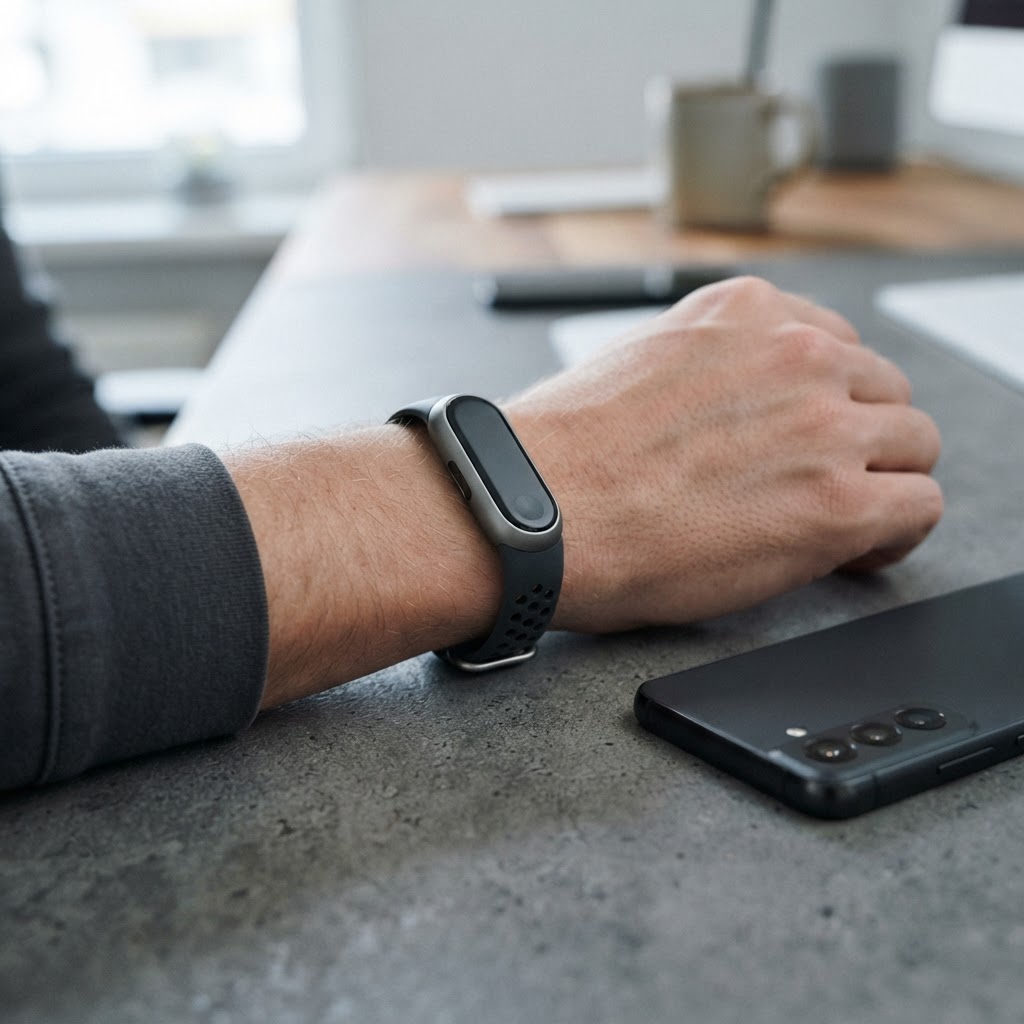
Wearable tech tracks health better when the question depends on continuous physiological data, such as heart-rate patterns, sleep timing, activity, and overnight changes. Smartphones remain more useful as the interface for logging symptoms, reviewing trends, and delivering coaching, but their sensors are not consistently attached to the body.
Introduction
For health tracking, a wrist-worn device usually produces a richer longitudinal record than a phone because it collects data while the user is moving, resting, and sleeping. A smartphone can capture manual inputs and occasional measurements, yet it cannot reliably observe the body when it sits on a desk or in a pocket. The meaningful divide is not the app experience. It is sensor contact, sampling behavior, algorithm design, and whether a metric can be interpreted outside controlled conditions.
Key Takeaways:
Wearables have the edge for continuous signals because they maintain skin contact through daily routines.
Smartphones are stronger for context, user interaction, and broad distribution of health software.
Neither category should be treated as a substitute for clinical diagnosis without appropriate validation.
Continuous sensing is the wearable advantage
Purpose-built wearable technology turns time into its main advantage. Optical sensors, motion sensors, temperature components, and electrical contacts can collect repeated observations without asking users to open an app, creating a baseline that makes deviations more visible than isolated readings do.
Why wrist contact changes the available data
A wearable can observe a pulse waveform, movement, and periods of inactivity across ordinary life, while phone-based health tools depend more heavily on user action or intermittent access to hardware. Research on continuous health monitoring identifies everyday measurement as a major opportunity, but also makes clear that naturalistic data comes with noise, missing segments, and behavioral variability.
Heart rate: Optical wrist sensors can show resting patterns and exercise response when skin contact and motion conditions are acceptable.
Sleep: Movement and pulse-derived signals allow estimated sleep windows, whereas a phone primarily records sleep through manual logs or bedside behavior.
SpO2: A wearable may support spot checks or overnight trend collection, but signal quality and interpretation vary by device and wearer.
Stress: Devices infer stress from signals such as heart-rate variability rather than directly measuring an emotional state.
ECG: Compatible wearables can capture a limited electrical tracing when the user completes the required contact sequence.
Accuracy is metric-specific, not a device-category verdict
Sensor fidelity depends on hardware, software, sampling choices, fit, skin characteristics, motion, and the metric being estimated. Optical readings can vary with skin characteristics, fit, motion, tissue properties, and the metric being estimated. That is why wearables versus blood tests is the right comparison for biomarker claims: the devices detect signals and patterns, not the broad molecular information a laboratory sample can provide.

Phones win on software reach and contextual data
Smartphones are the default health software platform because they are already present, connected, and equipped for notifications, questionnaires, location-aware context, and data sharing. The technical ceiling is lower for passive physiology, but the distribution advantage is difficult to ignore for founders building behavior-change, care-navigation, or symptom-management products.
Algorithms determine whether raw signals become useful
Smartphone health apps increasingly rely on onboard sensors such as the accelerometer, GPS, and microphone to characterize physical health, mental health, and behavior passively, as a 2026 systematic review of smartphone-based digital phenotyping documents across more than a decade of peer-reviewed research. Their stronger role is often orchestration: collecting medication adherence, nutrition, subjective symptoms, appointments, and outcomes that sensors cannot infer reliably from a wrist signal.
Algorithmic quality matters more than a dashboard full of scores. Sleep staging, stress estimates, readiness labels, and biological age testing are model outputs that require transparent inputs, validation against an appropriate reference, and clear handling of uncertainty. Teams assessing biological age testing should separate a consumer-facing composite score from a clinically meaningful measurement.
The practical comparison is below: it distinguishes what each category can collect from what its software can plausibly conclude.
Health task | Wearable | Smartphone | Decision relevance |
|---|---|---|---|
Resting heart-rate trends | Passive collection during wear time | Usually intermittent or accessory-dependent | Wearables offer a stronger longitudinal signal |
Sleep timing | Movement and pulse-derived estimates overnight | Manual logs or bedside proxies | Wearables capture more of the sleep interval |
Symptoms and habits | Limited input surface | Structured entries, reminders, and questionnaires | Phones capture subjective context better |
ECG capture | Possible on compatible hardware with user contact | Not a standard phone-only capability | Requires careful clinical workflow design |
Health coaching | Prompts and summaries | Richer interfaces and service integration | Phones remain the operational hub |
The strategic architecture is usually hybrid: the wearable supplies passive time series, while the phone explains what happened around the signal and gives the user a place to act.
Cost, adoption, and workflow friction matter
Consumer wearables add a hardware purchase, while apps can add recurring cost. Smartphones avoid another hardware purchase, which lowers acquisition friction, but passive sensing frequently requires a paired device before the product can make credible physiological claims. For investors, longevity biomarkers are more defensible when a company specifies which data are measured, which are inferred, and what outcome the metric is intended to influence.
What builders and investors should watch next?
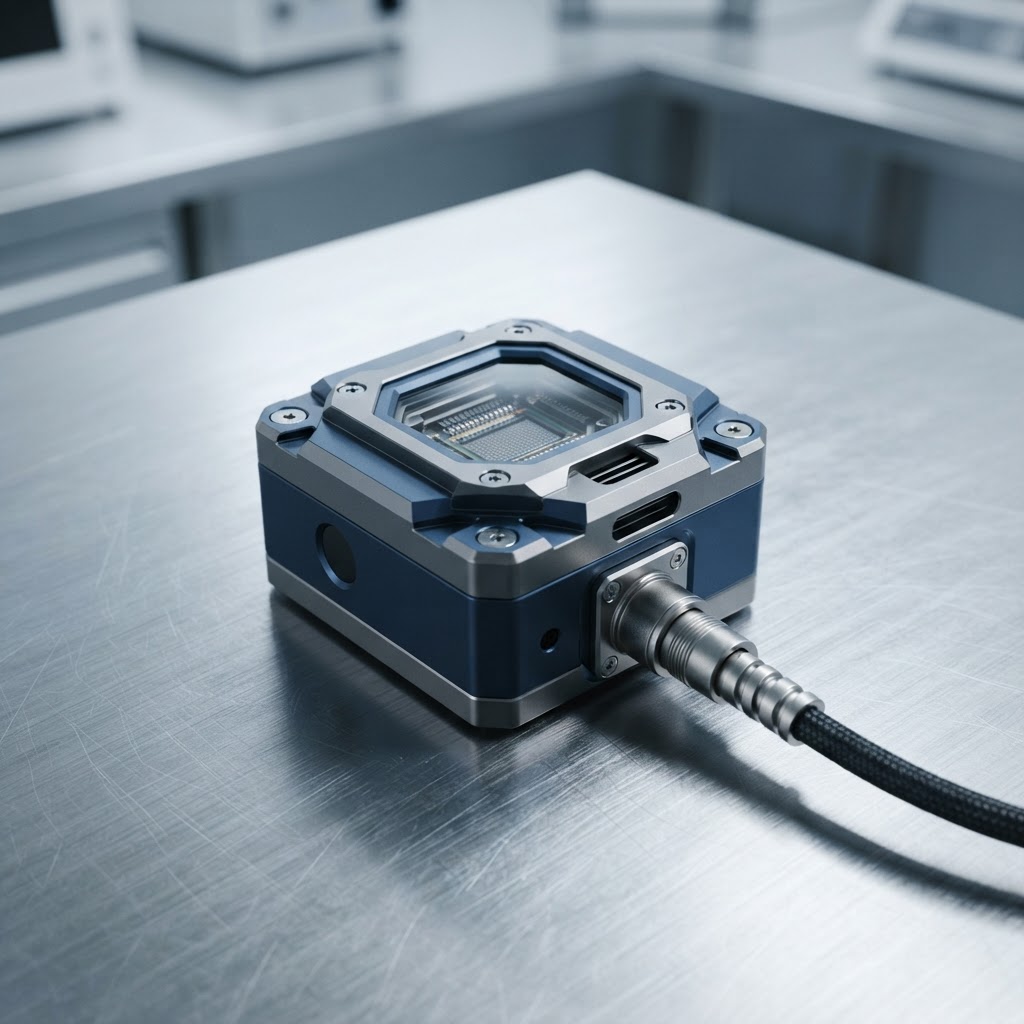
The next phase of wearable sensor technology advancements will be defined less by adding another score and more by proving stable measurement across diverse bodies and real-world conditions. Growing interest in consumer-grade noninvasive wearables signals demand for remote evidence generation, but wider use also raises the bar for calibration, missing-data handling, privacy controls, and reproducibility.
Hardware constraints still shape product outcomes
Battery capacity, sensor placement, charging behavior, and thermal limits dictate whether a device can collect a useful overnight record or only a partial one. Sensor measurement science is the relevant discipline here: a more sophisticated model cannot recover a reliable physiological signal that was never captured cleanly.
Device teams should treat wearability as a data-quality problem. A comfortable design may improve adherence, but a loose band, inconsistent wear schedule, or optical interference can corrupt the exact signals the product depends on.
The winning platform will connect data to care responsibly
Health products create value when they route a meaningful change to an appropriate response, not when they maximize notifications. AI health coaches can help users interpret routines and maintain engagement, yet escalation rules, clinician oversight, and explicit boundaries remain essential when an output suggests risk. Smartphone integration will stay important because it can connect wearable events to services, records, and communication.
For hardware evaluation, Samsung smartphone hardware illustrates the separate question builders must answer: handset sensors and computing power can support health experiences, but an all-day physiological record still requires dependable body contact or an external sensor.
Conclusion
Wearables are better at tracking continuous physiology, while smartphones are better at turning data into an accessible product workflow. The sensible build strategy is to assign each device the job it can perform reliably: use the wearable for passive measurement and the phone for context, consent, feedback, and service delivery. Evaluate every health claim by its sensor pathway, algorithm validation, and failure modes before treating it as clinically relevant. TechBriefed tracks these product and technical shifts with the skepticism health data demands.
Need sharper signal on consumer hardware and digital health? Follow TechBriefed for concise analysis of the technology behind the claims.
Frequently Asked Questions (FAQs)
Can wearable devices replace traditional diagnostic tools?
Wearable devices cannot replace traditional diagnostic tools because consumer sensors typically provide trend data and limited measurements rather than the comprehensive laboratory, imaging, examination, and clinician-led interpretation required to establish or rule out many medical conditions.
What is the future of wearable technology in healthcare?
The future of wearable technology in healthcare is likely to center on passive remote monitoring integrated with care workflows, provided device makers demonstrate reliable performance across users and health systems define how alerts reach clinicians without creating unmanageable noise.
How does wearable data influence VC investment decisions?
Wearable data influences VC investment decisions by exposing whether a company owns a differentiated signal, has a defensible validation plan, can retain users through charging and comfort friction, and connects collected data to an outcome customers will pay to improve.
Is wearable technology secure for professional use?
Wearable technology can be secure for professional use when organizations evaluate data collection, encryption, account controls, vendor access, retention practices, and integration pathways, because sensitive health information can create exposure even when the device itself is technically sound.
What are the latest innovations in smart wearable tech?
The latest innovations in smart wearable tech emphasize improved passive sensing, multimodal signal fusion, more efficient on-device processing, and software that flags changes over time, although the value of each capability still depends on validation rather than feature count.
About the Author
Alex Mercer is a Senior Tech Writer focused on translating complex product and engineering shifts into clear, decision-useful analysis. His reporting examines consumer electronics, artificial intelligence, and the technical tradeoffs shaping durable technology businesses.