The Real Cost: AI Data Center Energy Consumption in 2026
Explore the impact of AI infrastructure on electricity grids in 2026. Learn about energy efficiency trends and sustainable solutions for modern data center operations.
By Sable Wren · 8 min read ·
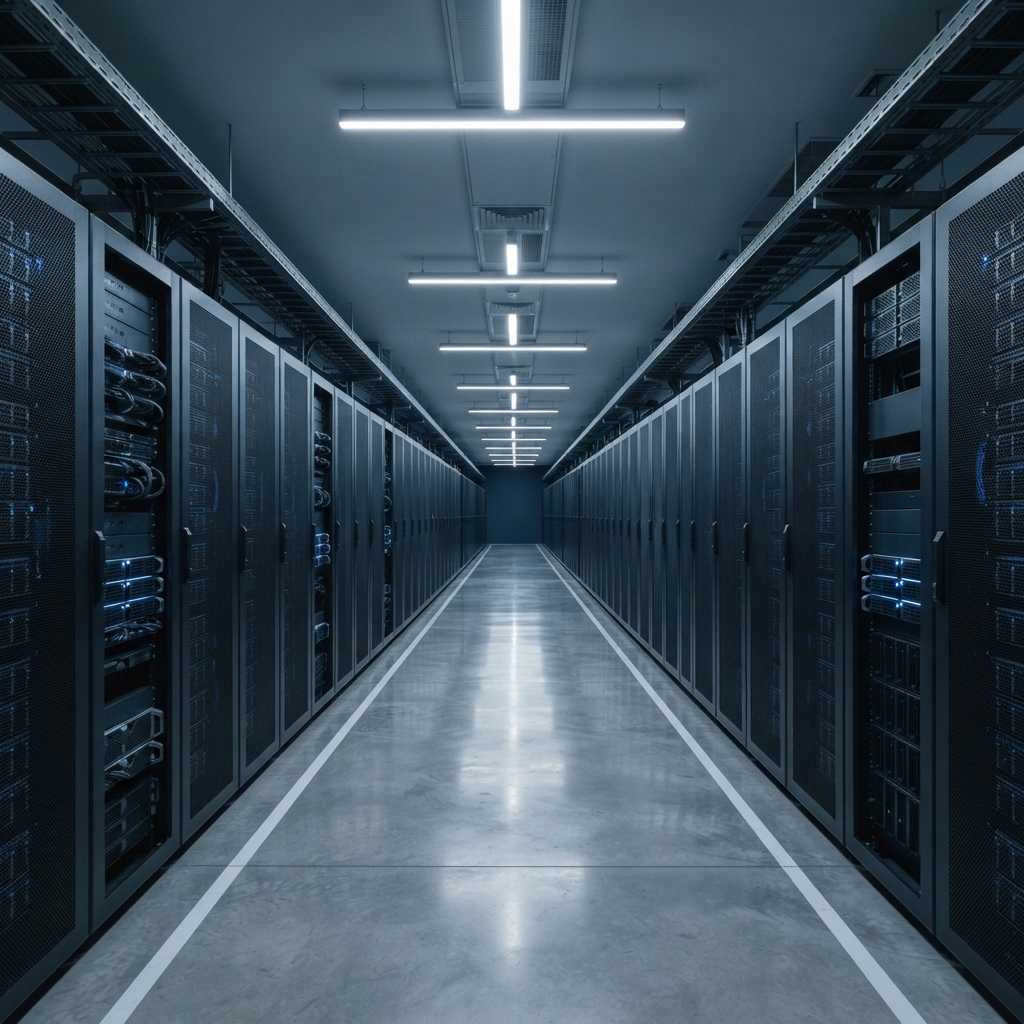
Quick Answer: AI infrastructure power requirements have become the primary limiter on how fast AI can scale, with global data center electricity demand on track to roughly double by 2030; the organizations that treat power as a strategic design input, not just a utility bill, are the ones positioned to keep scaling.
Introduction#
AI data center energy consumption has become the single largest constraint on how fast artificial intelligence can scale, with global data center electricity use on track to roughly double before 2030. The bottleneck is no longer chips or capital alone: it is raw power, and the grids feeding these facilities are already showing strain. Engineering leads and investors evaluating AI infrastructure now treat megawatts the way they once treated GPU allocations, as a finite, contested resource. A single hyperscale training cluster can draw as much electricity as a mid-sized town, and utilities in AI-heavy regions are quietly rewriting their long-term forecasts to keep up.
Key Takeaways
AI infrastructure power requirements are the primary limiter on scaling, outpacing improvements in chip supply and capital availability.
Cooling and localized power generation now determine whether a data center project is even viable in strained grid regions like Virginia and Texas.
Efficiency gains in hardware and cooling are real, but are being outrun by the sheer volume of new AI compute coming online.
Why AI Is Redrawing the Electricity Map#
The impact of AI on electricity demand comes down to density. Training a frontier model concentrates enormous compute into a small physical footprint, and that footprint runs at near-constant full load for weeks or months. Traditional data centers were designed around unpredictable, bursty web traffic; AI clusters behave more like heavy industrial machinery that never idles, which changes every assumption behind grid planning.
What Actually Drives the Power Draw#
Understanding where the watts go is the first step to managing them. The load is not evenly distributed, and the largest line items are often the ones operators can most directly influence through design choices.
Compute silicon: High-end accelerators pull far more power per rack than legacy CPUs, pushing rack densities past 100 kilowatts.
Cooling systems: Removing the heat those chips generate can consume up to 40 percent of total facility energy in older air-cooled designs.
Sustained utilization: Unlike web servers, training jobs keep hardware at peak draw continuously, eliminating the idle savings grids once relied on.
Networking and storage: Moving massive training datasets between nodes adds a persistent, often underestimated, power overhead.
Much of this demand traces back to how large language models work, where scaling parameter counts directly multiplies the compute and energy required per training run. The energy demand from AI is now significant enough that national energy agencies model it as its own category, with the IEA projecting global data center electricity consumption to roughly double from around 415 TWh in 2024 to nearly 945 TWh by 2030 in its Base Case.
The Regional Squeeze: Virginia and Texas#
The strain is concentrated, not national. Northern Virginia's data center corridor handles a large share of global internet traffic, and its electricity challenges now include multi-year interconnection queues where new facilities wait for grid capacity that does not yet exist. Texas faces a different version of the same problem: its power grid capacity for AI infrastructure is attractive because of cheap energy and fast permitting, but the isolated ERCOT grid raises real questions about reliability during demand spikes. The grid impacts of AI data centers have turned site selection into an exercise in energy geography as much as real estate.
Mitigation Strategies That Actually Move the Needle#
Energy efficiency in AI data centers is now an engineering discipline with measurable returns, not a sustainability talking point. The strategies that matter fall into two buckets: cutting the energy needed to cool the hardware, and generating cleaner power closer to where it is consumed. Both are being deployed aggressively because they directly affect whether a project pencils out financially.
Liquid Cooling Versus Air Cooling#
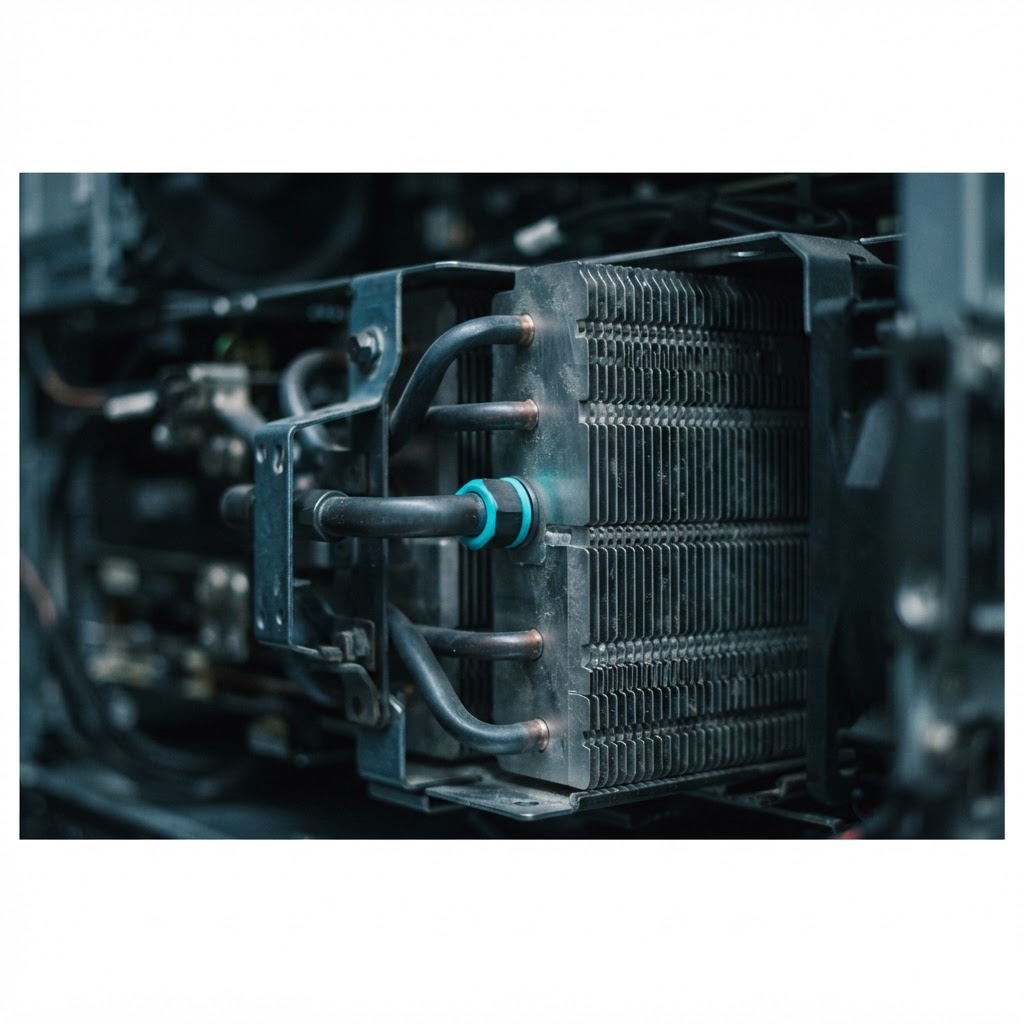
The clearest efficiency lever available today is the shift from air to liquid cooling. Air cooling struggles above roughly 30 kilowatts per rack, precisely the range where modern AI hardware operates, forcing operators toward direct-to-chip and immersion approaches. The tradeoff is upfront complexity and retrofit cost against dramatically lower ongoing energy use and higher achievable rack density.
The table below compares the two dominant cooling approaches across the criteria that matter most when planning AI capacity.
Criterion | Air Cooling | Liquid Cooling |
|---|---|---|
Max rack density | Up to ~30 kW | 100 kW and beyond |
Cooling energy share | High (30-40%) | Low (10-15%) |
Upfront cost | Lower | Higher |
Retrofit difficulty | Simple | Complex |
Best fit | Legacy and low-density loads | Dense AI training clusters |
For any facility running dense AI workloads, liquid cooling is no longer optional. The energy and density advantages compound over the life of the hardware, and emerging passive cooling approaches are being explored to cut cooling loads further as the technology matures.
Localized Power and Renewable Integration#
When the grid cannot deliver capacity fast enough, operators bring generation on-site. Behind-the-meter solar, battery storage, and even small modular nuclear commitments are moving from pilot to procurement, because renewable energy integration for tech hubs reduces exposure to interconnection delays and volatile wholesale prices. This shift matters for the carbon footprint of artificial intelligence training as well, since sourcing clean power directly is often faster than waiting for utilities to decarbonize. These decisions increasingly sit alongside broader cloud computing infrastructure planning, where power procurement is now a first-class design input rather than an afterthought.
Measuring and Comparing Infrastructure Choices#
You cannot manage what you do not measure, and the sustainable versus conventional data center infrastructure comparison hinges on a handful of hard metrics rather than vendor claims. Power usage effectiveness (PUE) remains the anchor number, but the AI era demands looking beyond it to water usage, carbon intensity, and utilization efficiency together.
PUE and Its Limits in the AI Era#
PUE measures total facility energy divided by the energy delivered to computing equipment, with 1.0 being the theoretical ideal. Best-in-class AI facilities now target values near 1.1, but PUE alone hides a critical detail: a data center can post an excellent PUE while running highly inefficient AI hardware, because the metric only tracks overhead, not useful work performed. The energy-efficient data center design guidance from federal sources pairs PUE with utilization and thermal benchmarks for exactly this reason.
This is why AI hardware energy efficiency standards, measured in useful work per watt, are becoming the metric investors actually scrutinize. A facility optimizing both PUE and per-chip efficiency delivers compounding returns, and the differences between chip generations and model architectures feed directly into cost, a topic explored in analyses of how frontier model costs compare. Industry coverage increasingly treats energy-per-token as a core competitive metric.
Grid Load Management and What Comes Next#
Grid load management for hyper-scale data centers is emerging as a negotiated partnership rather than a one-way draw on the utility. Operators are agreeing to curtail or shift non-urgent training jobs during peak grid stress in exchange for faster interconnection, effectively becoming flexible loads. For latency-sensitive inference, distributing compute toward edge computing alternatives can relieve pressure on centralized megafacilities, pointing toward the future of sustainable computing infrastructure as a mix of concentrated training and distributed inference.
Conclusion#
The real cost of AI in 2026 is measured in electricity, and the organizations that treat power as a strategic input rather than a utility bill will decide who scales and who stalls. Liquid cooling, on-site generation, and metrics that go beyond PUE are no longer differentiators for early adopters; they are the baseline for any viable AI infrastructure plan. Regional grid realities in places like Virginia and Texas mean site selection is now inseparable from energy strategy. The path to sustainable data center solutions for AI runs through disciplined measurement, aggressive cooling upgrades, and honest accounting of the carbon and grid impact behind every training run.
Want to stay ahead of how energy constraints reshape the AI landscape? Follow the analysis at TechBriefed for distilled intelligence on the infrastructure decisions defining the industry.
Frequently Asked Questions (FAQs)#
How much energy do AI data centers use?#
Global data center electricity consumption is projected to roughly double by 2030, with AI workloads driving the majority of that growth and single hyperscale clusters drawing hundreds of megawatts.
Why is AI increasing demand on the electricity grid?#
AI training runs hardware at near-constant peak load for extended periods, concentrating industrial-scale, continuous power draw into dense facilities that behave nothing like traditional bursty web infrastructure.
What makes Virginia and Texas grid capacity so contested for AI data centers?#
Virginia's data center corridor faces multi-year interconnection queues for scarce grid capacity, while Texas offers cheap power and fast permitting but relies on an isolated grid that raises reliability concerns during demand spikes.
How does AI data center cooling compare to traditional cooling methods?#
Liquid cooling supports rack densities above 100 kilowatts while cutting cooling energy share to 10-15 percent, far outperforming traditional air cooling that struggles past 30 kilowatts and consumes up to 40 percent of facility energy.
Can AI data centers run on renewable energy?#
Yes, operators increasingly pair on-site solar, battery storage, and modular nuclear commitments with grid power to reduce interconnection delays and lower carbon intensity, though a fully renewable supply at scale remains a work in progress.
Is AI infrastructure becoming more energy efficient?#
Yes, hardware efficiency measured in useful work per watt and cooling improvements are advancing steadily, but the sheer volume of new AI compute coming online is currently outpacing those per-unit gains.
How can companies lower their AI energy carbon footprint?#
Companies reduce their footprint by adopting liquid cooling, sourcing clean power directly through behind-the-meter generation, optimizing per-chip efficiency, and participating in grid load management programs that shift flexible workloads away from peak demand.
About the author

 How Startups Actually Build an MVP: Timeline and Costs
 SAFE Note vs. Convertible Note: Key Differences Explained
 Best AI Coding Assistants in 2026: Which Tool Is Right for Developers?
 Claude vs ChatGPT vs Gemini: Which AI Model Wins in 2026?