How Does Edge Computing Work? A Beginner's Guide
Learn how edge computing works, how it differs from cloud computing, and why it matters for AI, IoT, and real-time apps. A clear beginner's guide for tech pros.
By Sable Wren · 7 min read ·
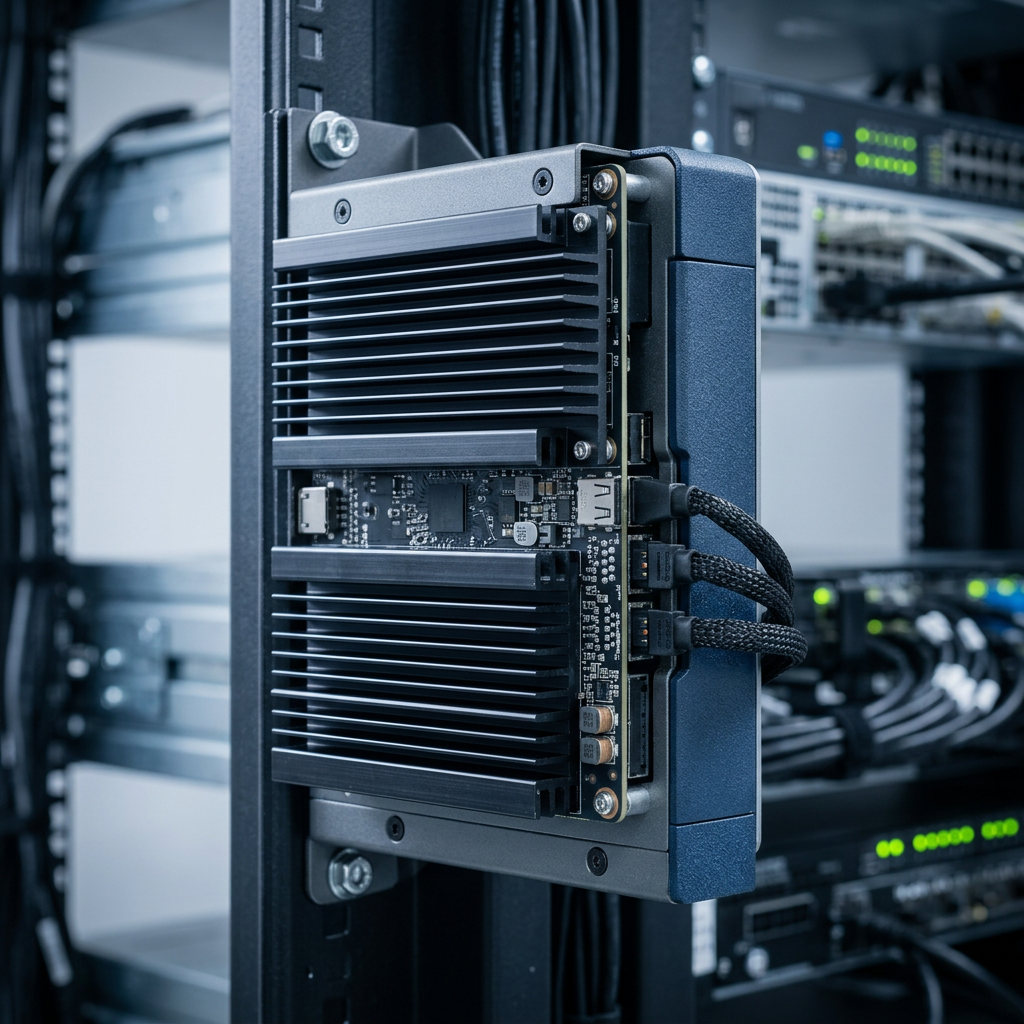
Quick Answer: Edge computing moves computation from distant cloud data centers to smaller nodes physically close to where data is generated, such as factory floors, cell towers, hospital servers, and retail stores. The result is sub-10ms response times (vs. 50–200ms for cloud round-trip times), 60–90% bandwidth reduction for IoT deployments, and the ability to keep sensitive data local. It complements the cloud rather than replacing it.
Introduction #
Understanding how edge computing works starts with a simple shift in perspective: instead of sending every byte of data to a distant cloud data center for processing, edge computing brings the computation closer to where the data is actually generated. This edge computing architecture distributes processing power across a network of smaller, localized nodes, whether that means a factory floor server, a cell tower, or a smart device in a retail store. The result is faster response times, reduced bandwidth costs, and a computing model built for the demands of real-time applications. For anyone evaluating infrastructure decisions, vendor platforms, or product roadmaps, the distinction between edge and cloud is no longer academic in 2026; it directly shapes system performance, cost, and user experience.
Key Takeaway: Edge computing processes data near its source rather than routing it to a centralized cloud, dramatically reducing latency and enabling real-time decision-making for IoT, AI inference, and other time-sensitive workloads.
The Core Architecture Behind Edge Computing#
Think of traditional cloud computing as a hub-and-spoke model: every device on the network sends data to one central hub for processing, then waits for a response. Edge computing flattens that model by placing smaller processing nodes, often called edge servers or edge devices, much closer to the data source. These nodes handle time-sensitive tasks locally and only forward aggregated or non-urgent data back to the cloud for deeper analysis or long-term storage. This layered approach is what gives edge computing infrastructure its speed advantage.
Key Components of an Edge Deployment#
A functional edge deployment involves several coordinated layers working together. The specific hardware and software vary by use case, but the foundational components remain consistent across most implementations.
Edge Devices: Sensors, cameras, industrial controllers, or any endpoint that generates data and may perform initial filtering or preprocessing on-site.
Edge Nodes/Servers: Localized compute resources, ranging from micro data centers to ruggedized servers, that run workloads like AI inference, analytics, or content caching.
Edge Gateway: Middleware that manages communication between edge devices and the broader network, handling protocol translation, security enforcement, and data routing.
Cloud Backend: The centralized cloud layer that receives summarized data, runs batch analytics, manages orchestration, and stores historical records for compliance or training purposes.
How Data Flows at the Edge#
When a connected device generates data, say a quality-inspection camera on a manufacturing line, that data hits the nearest edge node first. The node runs the relevant model or logic locally, makes a decision (pass or fail), and acts on it in milliseconds. Only metadata or flagged exceptions travel back to the cloud computing layer. This selective data forwarding is what makes edge computing latency reduction so effective: the round-trip to a data center hundreds of miles away simply never happens for the majority of transactions.
This pattern scales across industries. A zero-trust security framework at the edge can authenticate devices locally before any data leaves the premises. Autonomous vehicles process LIDAR and camera feeds onboard rather than waiting for a cloud response. Retail point-of-sale systems run fraud detection models at the store level. In each case, the architecture follows the same principle: a process where the data lives, transmit only what the cloud actually needs.
Edge Computing vs Cloud Computing and Real-World Applications#
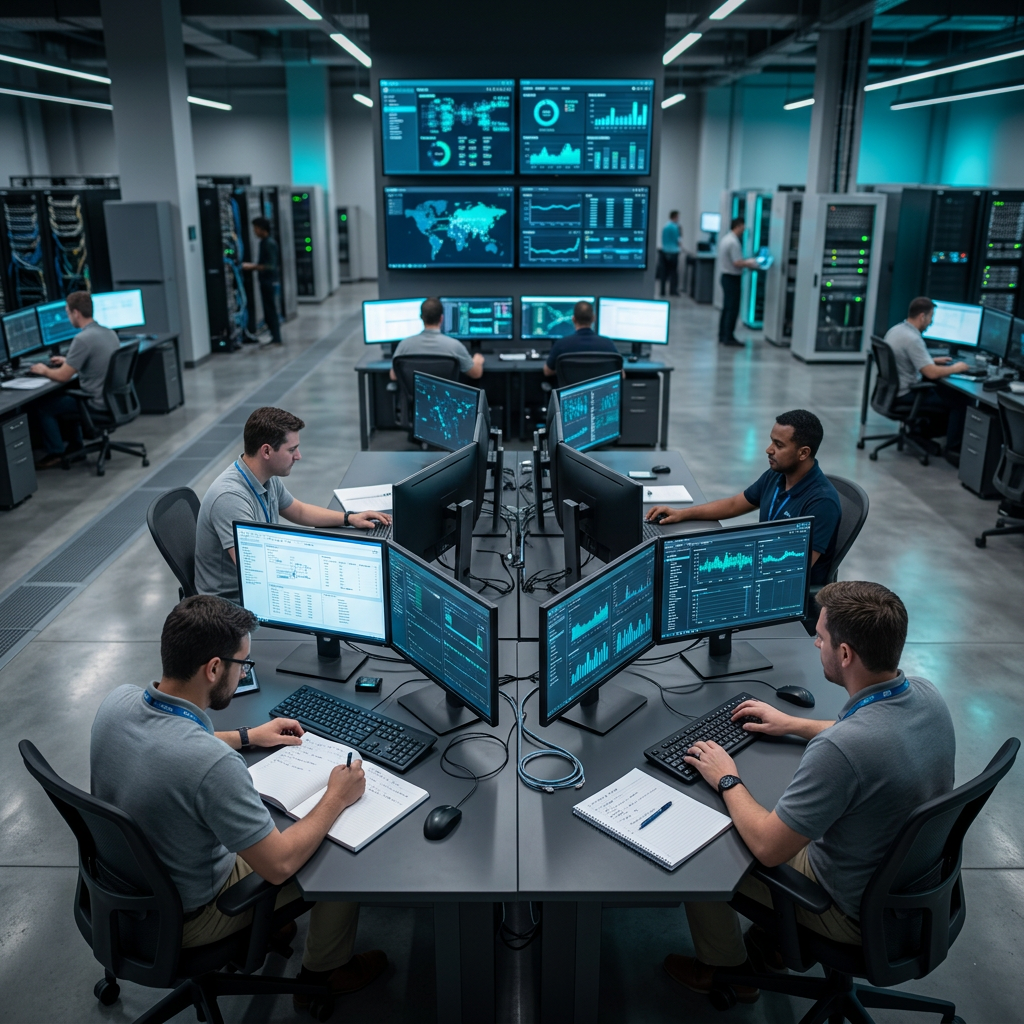
The edge computing vs cloud computing comparison is not a binary choice. Most modern systems use both, with the edge handling latency-sensitive tasks and the cloud managing centralized analytics, storage, and orchestration. The question is not which to use, but where to draw the line between them for a given workload. Understanding that boundary is what separates a well-architected system from one that overpays for bandwidth or underdelivers on ERP and cloud performance.
Where Edge Outperforms Cloud#
Cloud computing excels at elastic scaling, centralized governance, and workloads where a few hundred milliseconds of latency are acceptable. Edge computing wins when those milliseconds matter. A distributed computing model that processes data locally can deliver sub-10ms response times, compared to 50-200ms for a typical cloud round trip. For applications like real-time edge computing in autonomous systems, industrial robotics, or live video analytics, that gap is the difference between functional and unusable.
Bandwidth cost is the other major factor. IoT deployments can generate terabytes of data daily. Shipping all of that to the cloud is expensive and often unnecessary. Edge nodes filter, compress, and summarize data before transmission, cutting bandwidth consumption by 60-90% in many deployments. This is a core edge computing benefit that compounds as device counts grow. The US tech industry's rapid adoption of edge infrastructure in sectors like agentic AI and smart logistics reflects this economic reality.
Use Cases Driving Adoption#
Edge computing for IoT is the most visible use case, but the landscape is broader than sensors and thermostats. Healthcare systems run diagnostic AI models at the hospital level to avoid sending patient data across networks, improving both speed and edge device security compliance. Telecommunications providers deploy edge nodes at cell towers to support 5G's low-latency promises, enabling applications from augmented reality to connected vehicles.
Edge computing for AI is accelerating particularly fast. Running inference models at the edge, rather than sending raw data to a cloud-hosted model, reduces latency and keeps sensitive data local. Retailers use edge-based computer vision for inventory management. Energy companies run predictive maintenance models on turbine-mounted edge devices. As developer tools mature to support edge-native deployment pipelines, the barrier to building these systems continues to drop. TechBriefed has tracked this trend closely, noting that edge computing adoption across North American enterprises accelerated sharply as AI inference workloads outgrew what centralized cloud alone could efficiently serve.
The integration of edge with serverless and CDN architectures is another area gaining traction. Content delivery networks have operated edge nodes for years, but the shift toward running full application logic at those nodes, not just caching static assets, represents a meaningful evolution. Microservices design patterns are increasingly adapted for edge environments, where lightweight containers run discrete functions close to end users.
Conclusion#
Edge computing is not replacing the cloud. It is extending it to places where centralized processing cannot deliver the speed, efficiency, or data privacy that modern applications demand. For anyone building products, evaluating vendors, or planning infrastructure, the core mental model is straightforward: process data where it is generated, send to the cloud only what needs to be there, and design systems that treat latency and bandwidth as first-class constraints. As 5G networks expand and AI workloads push further toward the device level, edge computing will become less of a specialized architecture and more of a default assumption in how secure, performant systems are built. TechBriefed continues to cover these shifts as they reshape the infrastructure landscape for technology professionals across the US and beyond.
Frequently Asked Questions (FAQs)#
What is edge computing?#
Edge computing is a distributed computing model that processes data near its source, such as IoT devices or local servers, rather than sending everything to a centralized cloud data center.
How does edge computing reduce latency?#
By processing data on local edge nodes instead of routing it to a distant cloud server, edge computing eliminates the network round-trip that typically adds 50-200 milliseconds of delay.
How is edge computing different from cloud computing?#
Cloud computing centralizes processing in large remote data centers optimized for scale and storage, while edge computing distributes processing to smaller nodes closer to the data source for faster, more bandwidth-efficient responses.
What are edge computing examples?#
Common examples include autonomous vehicle sensor processing, factory floor quality inspection via computer vision, hospital-based diagnostic AI, retail inventory tracking, and 5G-enabled augmented reality applications.
What industries benefit from edge computing?#
Manufacturing, healthcare, telecommunications, energy, retail, transportation, and financial services all benefit significantly due to their reliance on real-time data processing and localized decision-making.
How does edge computing work with 5G?#
5G networks provide the high-bandwidth, low-latency connectivity that edge nodes need to communicate rapidly with devices and upstream cloud systems, making them natural complements in modern network architecture.
Can edge computing replace cloud computing?#
No, edge computing complements rather than replaces the cloud, handling latency-sensitive local tasks while the cloud continues to manage centralized analytics, long-term storage, and large-scale orchestration.
About the author