The Best Proptech Tools Powering New Construction in 2026
Explore the top proptech tools reshaping new construction in 2026, from AI project management to BIM and IoT jobsite monitoring, built for developers who need results.
By Riley Cho · 8 min read ·
Introduction#
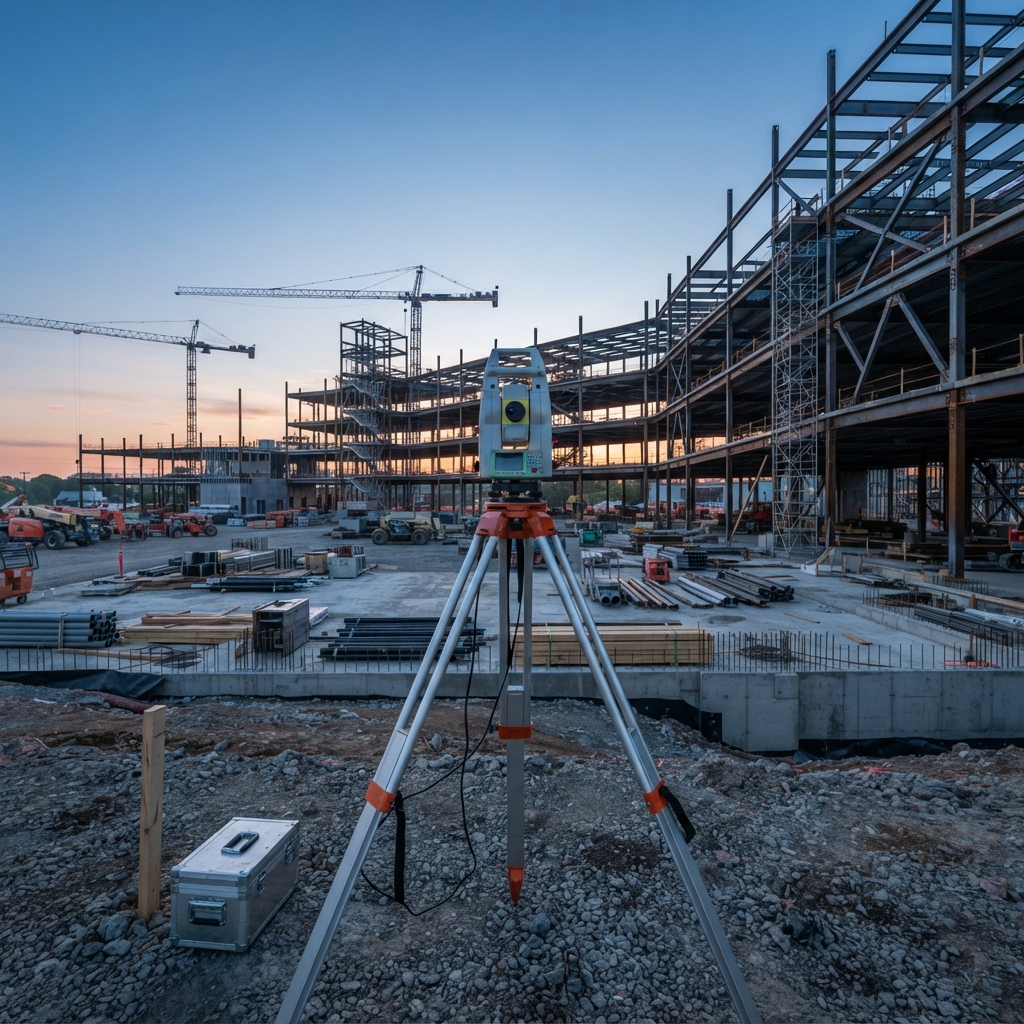
The most important proptech tools for new construction in 2026 are AI-powered project management platforms, BIM and digital twin software, IoT jobsite sensors, and AI-driven estimation engines, and the winners in each category are the ones proving measurable schedule and cost gains, not the ones with the loudest launch decks. US developers are moving capital toward tools that shorten build cycles and shave overruns, because labor shortages and interest costs make every extra week on a project painfully expensive a pressure that flows directly to new construction home buyers in Southern California who are absorbing those costs in purchase prices. Global proptech spend has crossed the $44 billion mark this year, and construction is finally getting a larger slice of it after years of being the industry's most underdigitized vertical. What still separates useful software from expensive dashboards is whether it changes what a superintendent does on Monday morning.
Key Takeaways:
Construction proptech splits into four practical categories: project management, BIM and digital twins, IoT sensors, and AI estimation, each with distinct ROI profiles.
AI and IoT integration is delivering documented 15-29% cost savings and 20-40% efficiency gains on residential builds when deployed with disciplined workflows, gains that are also reshaping how AI is changing real estate investment decisions for buyers on the demand side.
Developers should evaluate tools by measurable schedule impact and subcontractor adoption, not by feature lists or AI branding.
The Four Categories Defining Construction Proptech in 2026#
Most of the noise in construction technology software collapses into four functional categories once you strip away branding. Each solves a distinct pain in the build lifecycle, and each has its own maturity curve, ROI signature, and adoption ceiling among US residential developers.
Where Each Category Actually Delivers Value#
Category fit matters more than product choice. A high-end BIM stack on a 40-unit townhome project is overkill; a spreadsheet on a 400-unit multifamily build is malpractice. Match the tool tier to the deal size and the general contractor's digital fluency.
Project Management Platforms: Coordinate schedules, RFIs, submittals, and subcontractor communication in one system of record for the entire build.
BIM and Digital Twins: Model the building before it exists and mirror it during operation, catching clashes and design errors before they hit the field.
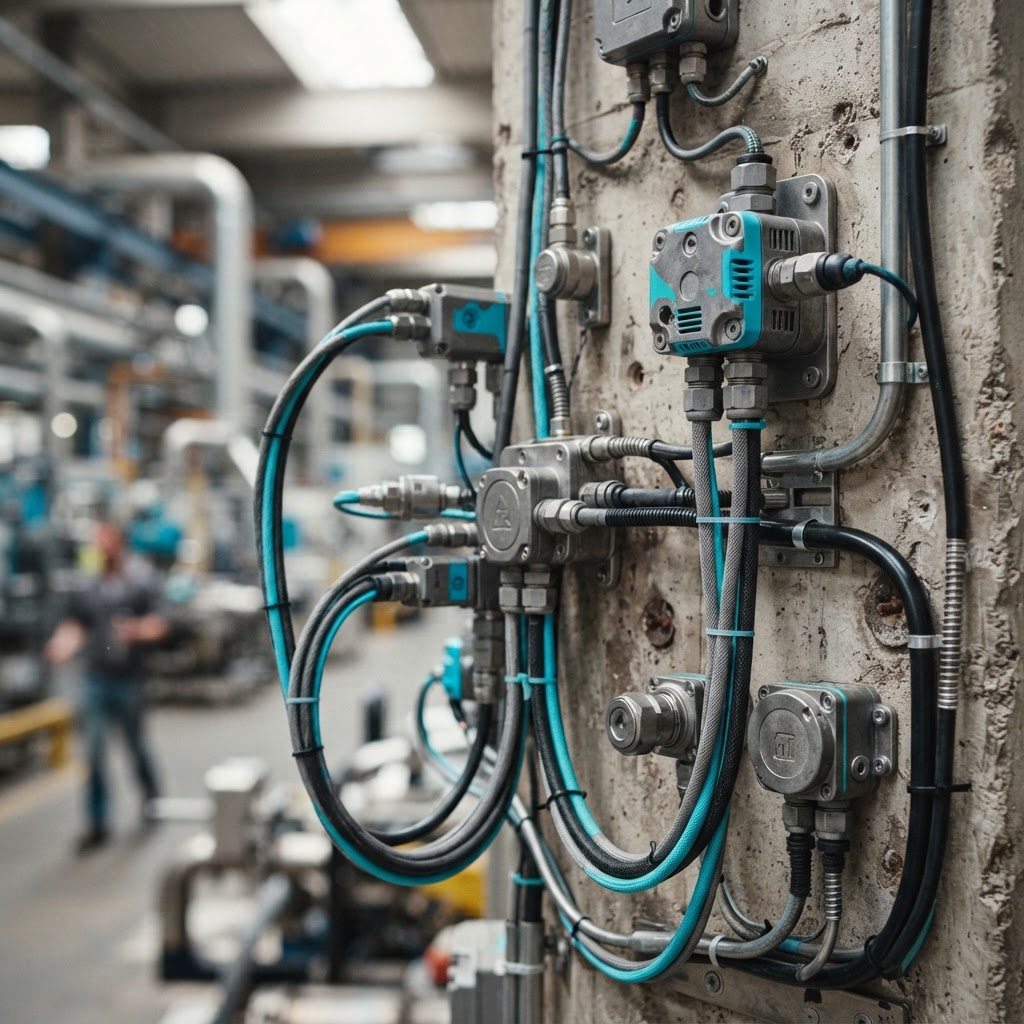
IoT Jobsite Sensors: Track equipment, materials, environmental conditions, and worker safety in real time using low-cost hardware and connected dashboards.
AI Estimation and Takeoff: Turn plans into quantified bids in minutes, replacing spreadsheet labor and reducing margin-killing pricing errors on complex scopes.
Comparing the Categories Side by Side#
The four categories are not interchangeable, and treating them as one budget line is a common procurement mistake. The table below compares them on the criteria residential developers actually weigh: what problem they solve, how quickly they pay back, and how hard they are to roll out across a subcontractor base. Broader research on proptech adoption trends confirms these categories are also where institutional capital is concentrated this year.
Category | Core Problem Solved | Typical Payback | Adoption Difficulty |
|---|---|---|---|
Project Management | Coordination, documentation, scheduling | 3-6 months | Low to medium |
BIM / Digital Twin | Design clashes, lifecycle modeling | 1-2 projects | High |
IoT Sensors | Equipment, safety, environmental data | 6-12 months | Medium |
AI Estimation | Bid speed and pricing accuracy | Under 6 months | Low |
The pattern is clear: project management and AI estimation deliver the fastest wins for small and mid-sized US builders, while BIM and IoT reward operators with the volume and technical staff to sustain them. TechBriefed's coverage of proptech platforms for construction has tracked this split throughout the year.
What AI and IoT Are Actually Changing on the Jobsite#
AI-powered construction project management and IoT integration in residential construction are the two threads pulling the whole category forward. Together they are turning historically opaque jobsites into instrumented environments where delays are predicted rather than discovered.
The ROI Case Is Finally Empirical#
For years the pitch was speculative. That has changed. Peer-reviewed research on AI and IoT integration in construction now documents cost savings of 15 to 29% and efficiency gains of 20 to 40% on projects where sensor networks feed AI scheduling models directly. That is a substantially different conversation from the vendor-slide claims of the 2022 hype cycle. Buildots, Procore, and a wave of Y Combinator-backed entrants are shipping tools that reconcile progress photos against BIM models automatically, flagging deviations before the next trade shows up. This is where agentic AI in enterprise workflows stops being theoretical: autonomous scheduling agents rebalance subcontractor timelines nightly based on the day's sensor data, without a human running the query. The skeptical read is that adoption still lags the technology. Field crews accept sensors faster than they accept dashboards, and most of the measurable ROI comes from a handful of disciplined operators. The tools are ready; organizational muscle is the constraint.
Digital Twins, Smart Monitoring, and the Estimation Layer#
Digital twin technology for construction has quietly moved from marketing term to standard spec on institutional multifamily projects, though its value on single-family tract housing remains limited. Smart construction site monitoring solutions are where the real 2026 signal is: low-cost mesh sensors tracking concrete cure, humidity, and equipment idle time, with data flowing into cloud-based project management for construction. Meanwhile, AI-driven construction estimation and takeoff tools are compressing bid cycles from days to hours, which changes how small builders compete for scopes they previously could not price fast enough. Investors watching this space should read it the same way VCs evaluate construction tech deals: workflow depth beats model novelty.
How To Evaluate Proptech Tools Without Buying the Hype#
The best proptech for new residential construction is the tool your superintendent will actually open on a Tuesday. Everything else is procurement theater. The evaluation framework below reflects what disciplined developers are using in 2026.
The Criteria That Separate Signal From Noise#
Start with integration. Any platform that cannot exchange data with your accounting system, your BIM files, and your subcontractors' scheduling tools is a data island in disguise. Then look at subcontractor adoption; if trades will not use it, the data quality collapses within one project. Third, demand documented ROI from reference customers building projects of similar scope, not marquee case studies from unrelated deal types. Finally, weigh regulatory posture carefully, because compliance requirements across US markets vary meaningfully by jurisdiction, particularly on data residency and worker monitoring. Where TechBriefed has seen the sharpest failures is in over-tooling. Developers stack four overlapping platforms because each one solved a demo-day problem, then spend a year fighting integration debt. Pick fewer tools with deeper workflow coverage. That is also the pattern showing up across Y Combinator construction tech startups; the winning entrants are consolidating categories rather than niching further.
Where the Space Is Heading Through the Rest of 2026#
Expect three shifts by year-end: consolidation among mid-tier project management platforms, faster IoT hardware refresh cycles as sensor costs keep falling, and a first wave of construction-specific AI agents that quote, schedule, and reconcile invoices without human triggers. Regulatory attention on jobsite data will sharpen, and developers who understand AI regulation and compliance early will avoid retrofitting governance later. The winners will not be the flashiest platforms; they will be the boring ones your project manager stops complaining about.
Conclusion#
Construction proptech has finally earned its seat at the capital allocation table, but only because a handful of categories are now producing verifiable results rather than pitch-deck promises. The tools worth paying for in 2026 are the ones that change field behavior: project management platforms that subcontractors actually use, IoT sensors that inform decisions, BIM systems that catch clashes early, and AI estimation engines that let smaller builders bid faster. Developers should resist the urge to stack overlapping platforms and instead pick fewer tools with deeper workflow coverage. Investors should watch for consolidation and workflow-native AI agents as the defining moves of the second half of the year. The vertical is real, the ROI is documented, and the winners are the operators who buy tools for outcomes, not optics.
Want sharper analysis on where proptech, AI, and startup capital are actually moving? Subscribe to TechBriefed for the daily signal filtered from the tech industry's noise.
Frequently Asked Questions (FAQs)#
What are the best proptech tools for new home builders?#
The best proptech tools for new home builders in 2026 are AI-powered project management platforms like Procore and Buildots, paired with lightweight IoT sensor networks and AI estimation software matched to the builder's project size and subcontractor base.
How is AI changing the construction industry?#
AI is shifting construction from reactive coordination to predictive operations by automating scheduling, reconciling site progress against BIM models, and generating estimates in hours instead of days, with documented efficiency gains of 20 to 40% on well-implemented projects.
Can proptech reduce construction project delays?#
Yes, proptech reduces delays when platforms integrate scheduling, sensor data, and subcontractor communication, letting managers spot slippage days or weeks earlier than manual reporting would allow.
Is digital twin technology necessary for new homes?#
Digital twin technology is not necessary for most single-family residential builds today but delivers meaningful ROI on institutional multifamily and mixed-use projects where lifecycle operations and building performance justify the modeling overhead.
How do you choose construction software for new developments?#
Choose construction software by evaluating integration with your accounting and BIM stack, actual subcontractor adoption, documented ROI from comparable projects, and regulatory fit for your jurisdictions, ignoring feature list length in favor of workflow depth.
How are American builders using proptech in 2026?#
American builders in 2026 are prioritizing AI estimation and cloud-based project management for immediate cost savings, layering in IoT sensors on larger projects, and treating BIM and digital twins as institutional-tier investments rather than universal defaults.
What is the best construction software for small US builders?#
For small US builders, the best construction software combines a lightweight cloud-based project management platform with an AI takeoff tool, since these two categories deliver the fastest payback without requiring dedicated technical staff to maintain.
About the author